
Understanding Thermal Imaging in Home Inspections
jk
What is Thermal Imaging?
Thermal imaging, also known as infrared thermography, is a technology that detects heat patterns and temperature changes. This non-invasive method is particularly useful in home inspections, as it allows professionals to see beyond what is visible to the naked eye. By capturing infrared images, inspectors can identify potential issues that might otherwise go unnoticed.

How Does Thermal Imaging Work?
Thermal imaging cameras detect the infrared energy emitted by objects and convert it into an electronic signal. This signal is then processed to produce a thermal image on a display. Different colors in the image represent varying temperatures, allowing inspectors to pinpoint areas of concern. For example, cooler areas might indicate moisture intrusion, while warmer spots could signify electrical problems.
The Benefits of Thermal Imaging in Home Inspections
Thermal imaging offers several advantages for home inspections:
- Non-Invasive Detection: Inspectors can identify issues without damaging walls or ceilings.
- Early Problem Identification: Catching issues early can prevent expensive repairs later.
- Comprehensive Analysis: Provides a detailed overview of potential problems in various systems.
Applications in Home Inspections
Thermal imaging is versatile and can be applied to various aspects of home inspections:
- Moisture Detection: Identifies leaks or water damage in walls, ceilings, and floors.
- Electrical Inspections: Finds overloaded circuits or faulty wiring that could pose fire risks.
- Insulation Checks: Detects areas where insulation is missing or insufficient.
Moisture and Mold Detection
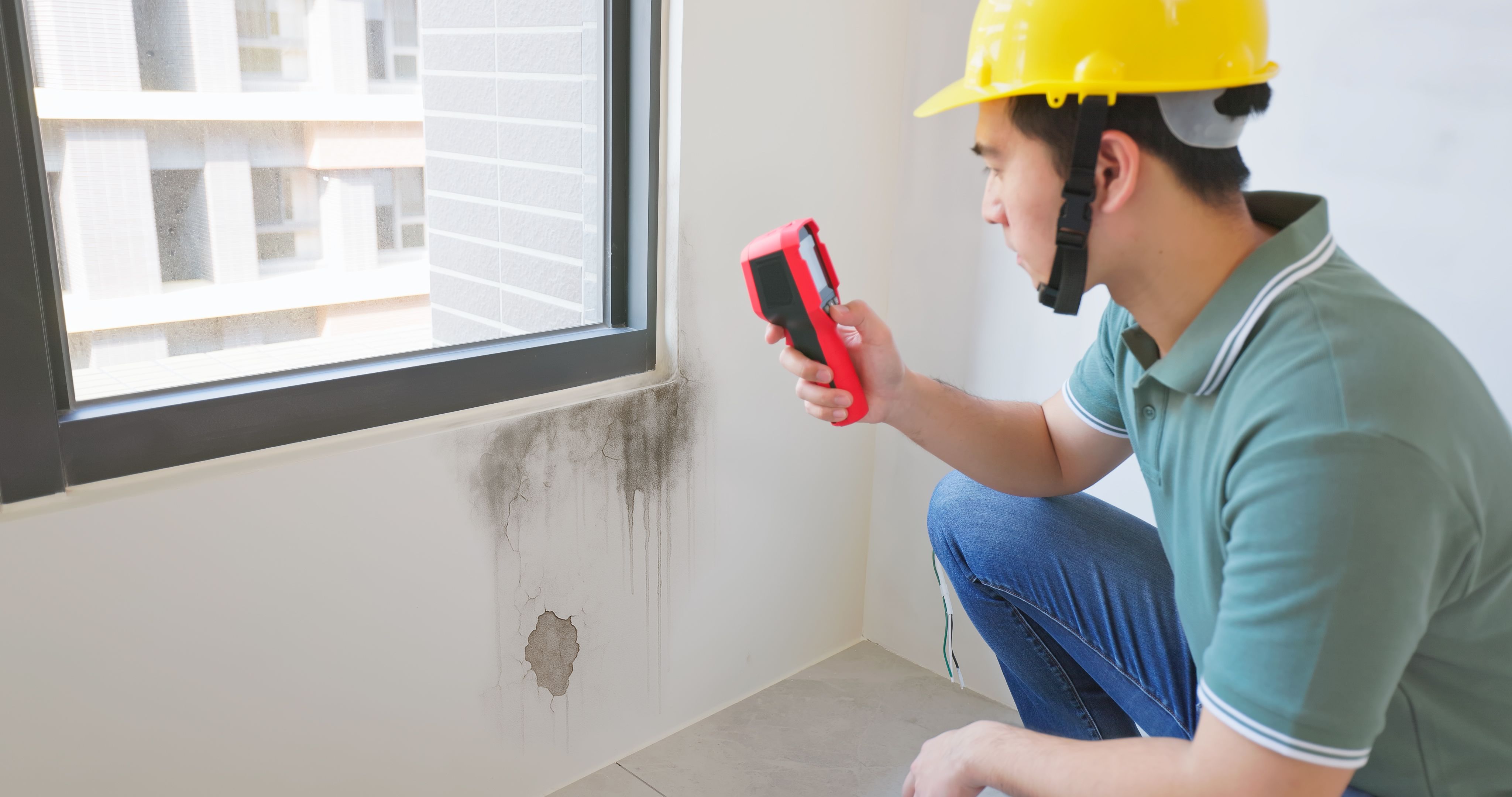
One of the most significant benefits of thermal imaging is its ability to detect moisture problems. By identifying areas with unusual temperature variations, inspectors can pinpoint leaks or water intrusion before they lead to mold growth. This proactive approach helps homeowners address issues swiftly and effectively.
Electrical System Evaluations
Thermal imaging is invaluable for assessing electrical systems. Overloaded circuits or loose connections can create hot spots that pose serious fire hazards. By detecting these anomalies, inspectors can recommend necessary repairs to ensure the safety of the home's electrical infrastructure.
Conclusion
Thermal imaging is a powerful tool that enhances the accuracy and thoroughness of home inspections. By providing insights into areas that are otherwise hidden, it allows for more informed decisions regarding home maintenance and repairs. Whether you're buying a new home or maintaining your current residence, consider the advantages of incorporating thermal imaging into your inspection process.